THE SCIENCE OF POWDER IN JAPAN:
Hokkaido’s Snow Quality and Storm Patterns
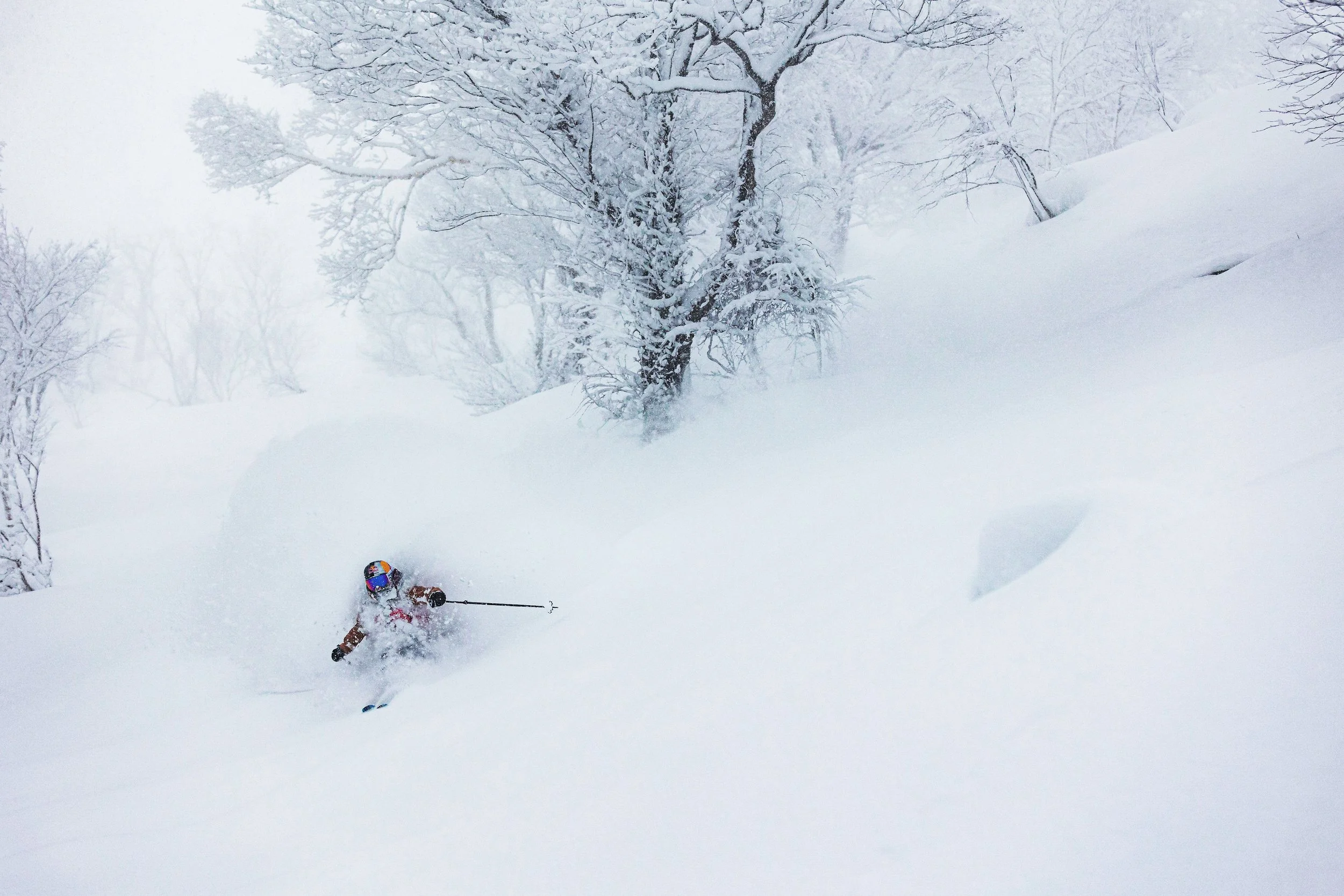
The legendary Japow—shorthand for Japan powder—is more than just marketing; it is a unique meteorological phenomenon. This ultra-light, dry snow is the result of the "Siberian Express". Cold, dry air masses from Siberia (reaching temperatures as low as -30°C) sweep across the relatively warm Sea of Japan, picking up massive amounts of moisture. As this air hits the mountains of Hokkaido, it is forced upward, rapidly cooling and depositing consistent, deep layers of low-density powder.
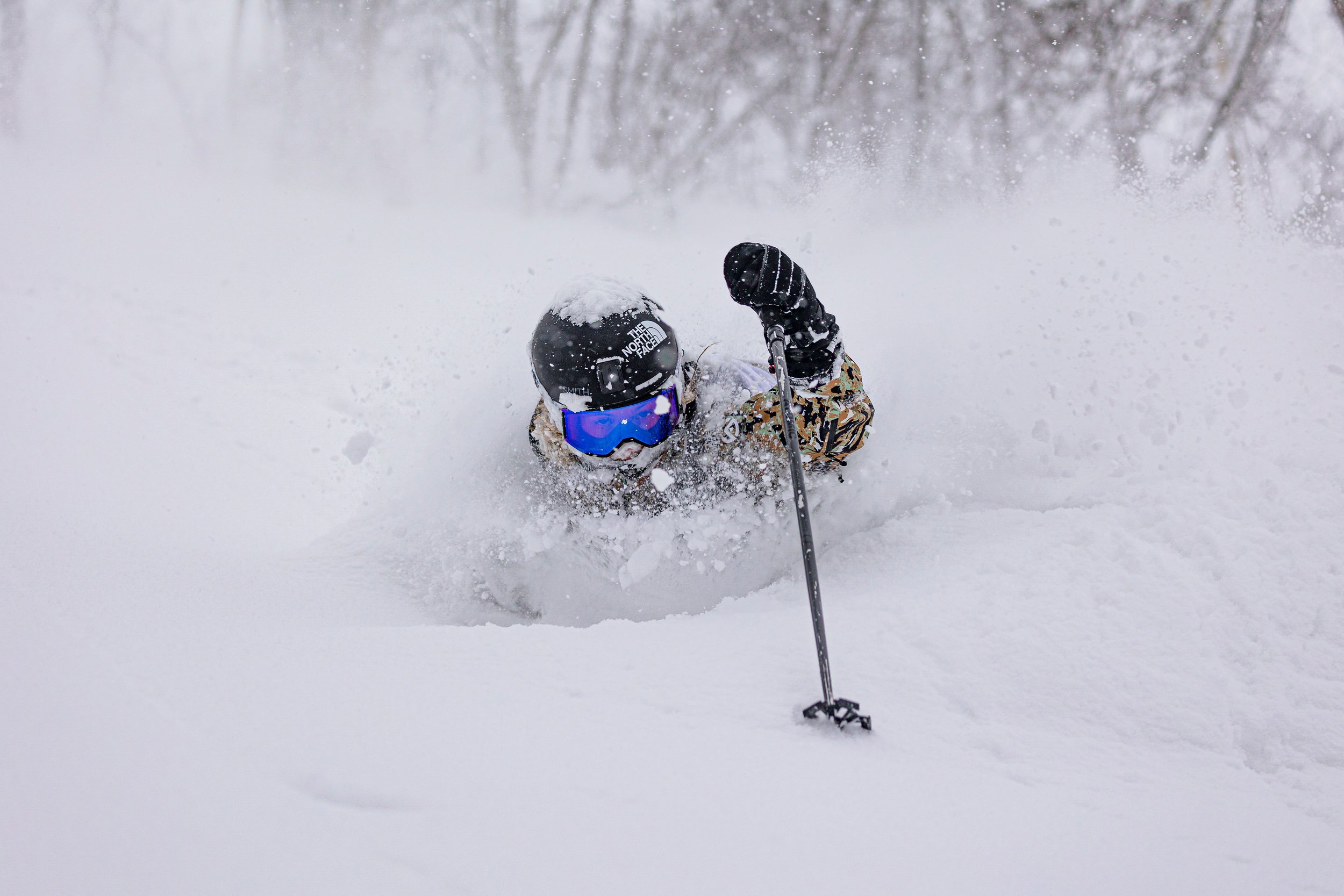
“As someone who lives in Telluride and has experience heli-skiing, I can confidently say this trip was truly special—and stands among the very best days I’ve ever had on snow. The powder was unreal. Consistent, deep, and seemingly endless—exactly what you dream of when you come to Japan” - Stacy
Average Annual Snowfall:
Niseko, Hokkaido: 14-15 meters (550-590 inches)
Whistler, BC: 11.6 meters (460 inches)
Aspen, CO: 7.8 meters (307 inches)
St. Anton, Austria: 6-7 meters (236-275 inches)
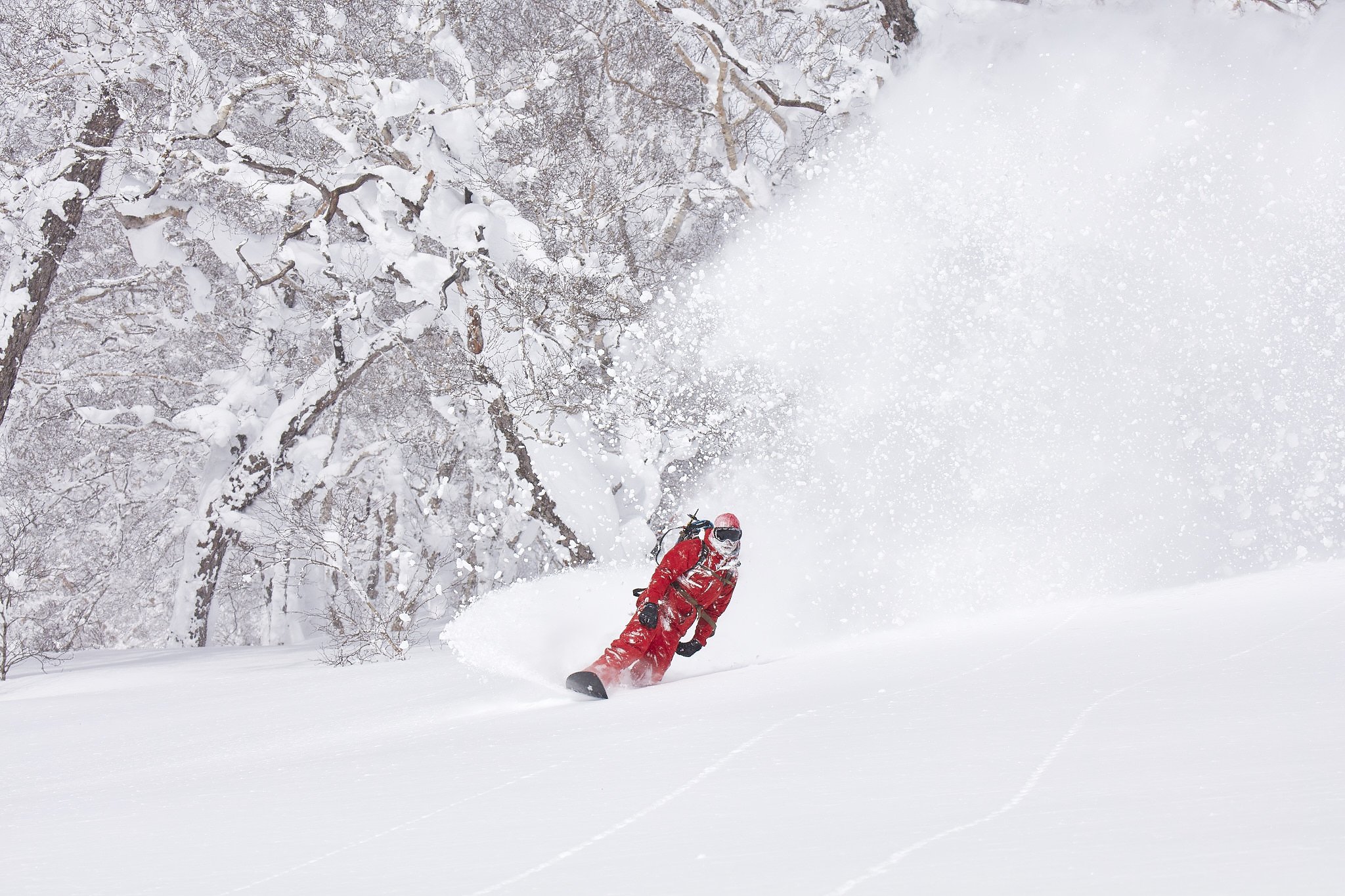
Niseko receives more snow than almost any major resort in the world—averaging 14-15 meters annually. What makes this even more remarkable is the compression of the season. While destinations in North America and Europe may see their totals spread over six or seven months, Niseko receives the vast majority of its massive volume in just three months (December through February). You aren't just getting more snow; you're getting it at a much higher frequency and intensity. Storm cylces often deliver 20–40cm of fresh Hokkaido powder daily.
While the Rocky Mountains and the Alps are known for their massive vertical and alpine terrain, Hokkaido's snow quality is distinguished by its incredibly low moisture content—typically 4–8%, compared to the 7–12% average found elsewhere. This results in a "weightless" skiing and riding experience that is difficult to replicate anywhere else on Earth.
Frequently Asked Questions: Niseko Snow & Seasonality
When is the best time for deep powder in Niseko?
While the Niseko ski season typically runs from late November to May, the peak window for legendary "Japow" is January and February. During this time, the "Siberian Express" is most active, delivering near-constant snowfall and the coldest temperatures for optimal snow quality.
Is Niseko cat skiing better than resort skiing for powder?
Resorts in the Niseko United area can track out quickly due to high traffic. Choosing a backcountry cat skiing operation like Type Two Three ensures you have access to untracked lines and 1,800 acres of private terrain that doesn't require "racing" for first tracks.
What is the snow density like in Hokkaido?
Hokkaido is world-renowned for "dry" powder. Because the air originates in Siberia, it carries very little moisture. The result is a snow density of roughly 5%, meaning the snow is so light it offers virtually zero resistance, creating that iconic "floating" sensation.
Do I need a guide for backcountry skiing in Japan?
While some terrain is accessible, hiring a Niseko backcountry guide is highly recommended. The weather can change rapidly, and understanding the specific local snowpack and "mushrooms" (pillows) requires local expertise to ensure both safety and the best possible turns.